The Best Fish for Grilling, Frying, and Curry
Choose fish by texture and cooking method: firm fillets for grilling, mild flaky fish for frying, and sturdy pieces for flavorful curries.
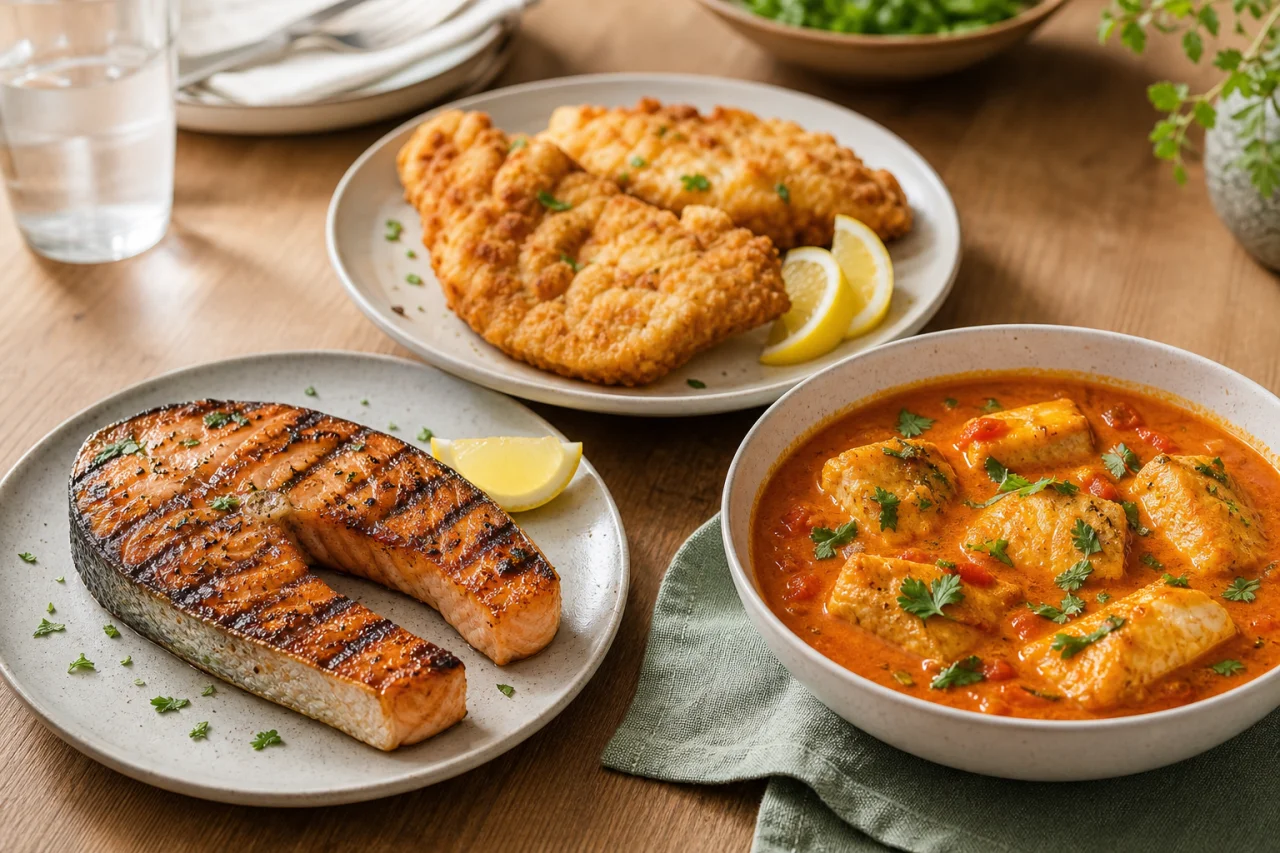
The right fish can make the difference between a fillet that lifts cleanly from the grill, a crisp piece of fried fish, and a curry full of tender chunks instead of flakes. The key is not simply choosing the most expensive fish. Match its firmness, thickness, fat content, and skin to the heat and movement of the recipe.
Quick fish-by-method guide
| Cooking method | What to look for | Reliable choices |
|---|---|---|
| Grilling | Firm, thick fillets or steaks that hold together | Salmon, halibut, trout, mahi-mahi, firm snapper |
| Pan- or deep-frying | Mild, flaky fillets of even thickness | Cod, haddock, pollock, tilapia, catfish, whiting |
| Curry | Firm chunks or steaks that tolerate gentle simmering | Salmon, halibut, catfish, cod, snapper, tilapia added late |
| Baking | Nearly any evenly sized fillet | Salmon, cod, tilapia, trout, haddock |
Best fish for grilling
Grilling exposes fish to high heat and requires at least one move or turn. Thick, firm fish is easiest to manage. Fatty fish also resists drying and gains a pleasant smoky edge.
Salmon
Salmon is one of the most forgiving grilling fish. Its natural fat keeps it moist, and skin-on fillets protect the flesh. Start skin-side down on clean, well-oiled grates and let the surface release naturally before turning.
Halibut
Halibut has a clean flavor and firm white flesh. Choose thick portions and brush them lightly with oil because halibut is leaner than salmon. Avoid overcooking; it can become dry quickly.
Trout
Whole trout and larger skin-on fillets grill beautifully. Stuff a whole cleaned trout with lemon and herbs, or use a fish basket to make turning easier.
Mahi-mahi and firm snapper
These fish have enough structure for skewers, tacos, and direct grilling. Cut cubes evenly for kebabs and leave a small space between pieces so the heat reaches every side.
How to keep grilled fish from sticking
- Preheat the grill fully and brush the grates clean.
- Pat the fish dry and apply a thin coat of high-heat oil.
- Leave skin on when appropriate; it works like a natural barrier.
- Do not force the first turn. Properly seared fish releases more easily.
- Use a wide, thin spatula and turn only once when possible.
Delicate fish can still be grilled in a perforated grill pan, fish basket, foil packet, or on a soaked cedar plank.
Best fish for frying
Frying works well with mild, flaky white fish. Uniform thickness matters because thin tails cook much faster than the center.
Cod and haddock
Both have large, moist flakes and a mild flavor. They are classic choices for battered fish and shallow-fried fillets. Pat the surface dry so the coating adheres.
Pollock and whiting
These affordable fish are useful for sandwiches, tacos, fish cakes, and family portions. Their flavor pairs well with cornmeal, breadcrumbs, or a light spiced batter.
Tilapia
Tilapia is thin, mild, and quick. It is best for pan-frying rather than long deep-frying. Dust it with seasoned flour or cornmeal and cook in a lightly oiled skillet.
Catfish
Catfish has a distinct but approachable flavor and a sturdy fillet. It works especially well with cornmeal crusts, Cajun-style seasoning, and tangy sauces.
Three ways to make fried fish crisp
- Flour dusting: light and fast for thin pan-fried fillets.
- Egg and breadcrumb coating: crunchy and sturdy for sandwiches.
- Light batter: airy crust for thicker cod or haddock portions.
Keep the oil temperature steady and fry in small batches. Crowding drops the temperature and makes the coating greasy. Drain on a rack instead of piling hot fish on paper, which traps steam underneath.
Best fish for curry
A fish curry needs pieces that can be stirred and simmered without disappearing into the sauce. Firm chunks, steaks, and thicker fillets are the safest choices.
Salmon
Salmon stands up to coconut, tomato, tamarind, mustard, ginger, and chili. Its richness works especially well in a bright, acidic sauce. Add large cubes near the end and simmer gently.
Halibut and snapper
These firm fish keep a clean shape in coconut and tomato curries. They are suitable when you want distinct, boneless chunks on the plate.
Catfish
Catfish holds together well and accepts assertive spices. It is a useful choice for a rustic curry, particularly when the sauce includes tomato, garlic, ginger, and fresh herbs.
Cod and tilapia
Cod works when cut into large pieces and handled gently. Tilapia is more delicate, so slide it into a finished simmering sauce and avoid repeated stirring. Turn pieces with a spoon rather than mixing the pot vigorously.
A reliable fish curry technique
- Build the entire sauce first: cook onion, aromatics, spices, tomato, and liquid until balanced.
- Cut the fish into similar pieces and season lightly.
- Reduce the sauce to a gentle simmer before adding the fish.
- Nestle the pieces in one layer, cover, and cook without hard boiling.
- Finish with lime, lemon, cilantro, or curry leaves after the fish is done.
Can you use frozen fish?
Yes. Individually frozen fillets can be excellent because they are frozen soon after processing. Choose intact packaging without excessive ice crystals. Thaw in the refrigerator overnight, or use a sealed bag under cold running water when you need it faster. Never thaw seafood on the counter.
Pat thawed fish thoroughly dry before grilling or frying. Extra surface moisture prevents browning and can make oil splatter.
How to choose fresh fish
- Fresh fillets should look moist, not dried at the edges.
- Flesh should be firm and spring back when gently pressed.
- The smell should be mild and fresh, not sour, rancid, or strongly ammonia-like.
- Whole fish should have clear, bright eyes and red or pink gills.
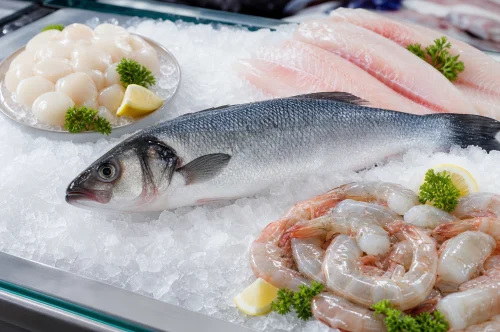
- Refrigerated seafood should be displayed on a thick bed of fresh ice or in a cold case.
Simple flavor pairings
- Grilled salmon: lemon, garlic, dill, and black pepper.
- Grilled snapper: lime, cumin, cilantro, and paprika.
- Fried cod: garlic, cayenne, cornmeal, and tartar sauce.
- Pan-fried tilapia: turmeric, chili, coriander, and lemon.
- Fish curry: ginger, garlic, tomato, coconut milk, and curry leaves.
Know when the fish is cooked
FDA guidance recommends cooking finfish to 145°F. Without a thermometer, look for flesh that is opaque and separates easily with a fork, but temperature is the more dependable check. Measure in the thickest part and stop cooking promptly so the fish stays moist.
The easiest rule to remember: firm and thick for the grill, mild and even for frying, and sturdy pieces for curry. Once the texture matches the method, the seasoning can follow your family’s taste.
Seafood references: FDA seafood selection and handling and FDA food safety at home.