How to Choose the Best Cut of Chicken, Goat, Lamb & Beef
A practical meat-cut guide for choosing chicken, goat, lamb, and beef by cooking method, tenderness, flavor, budget, and family meal size.
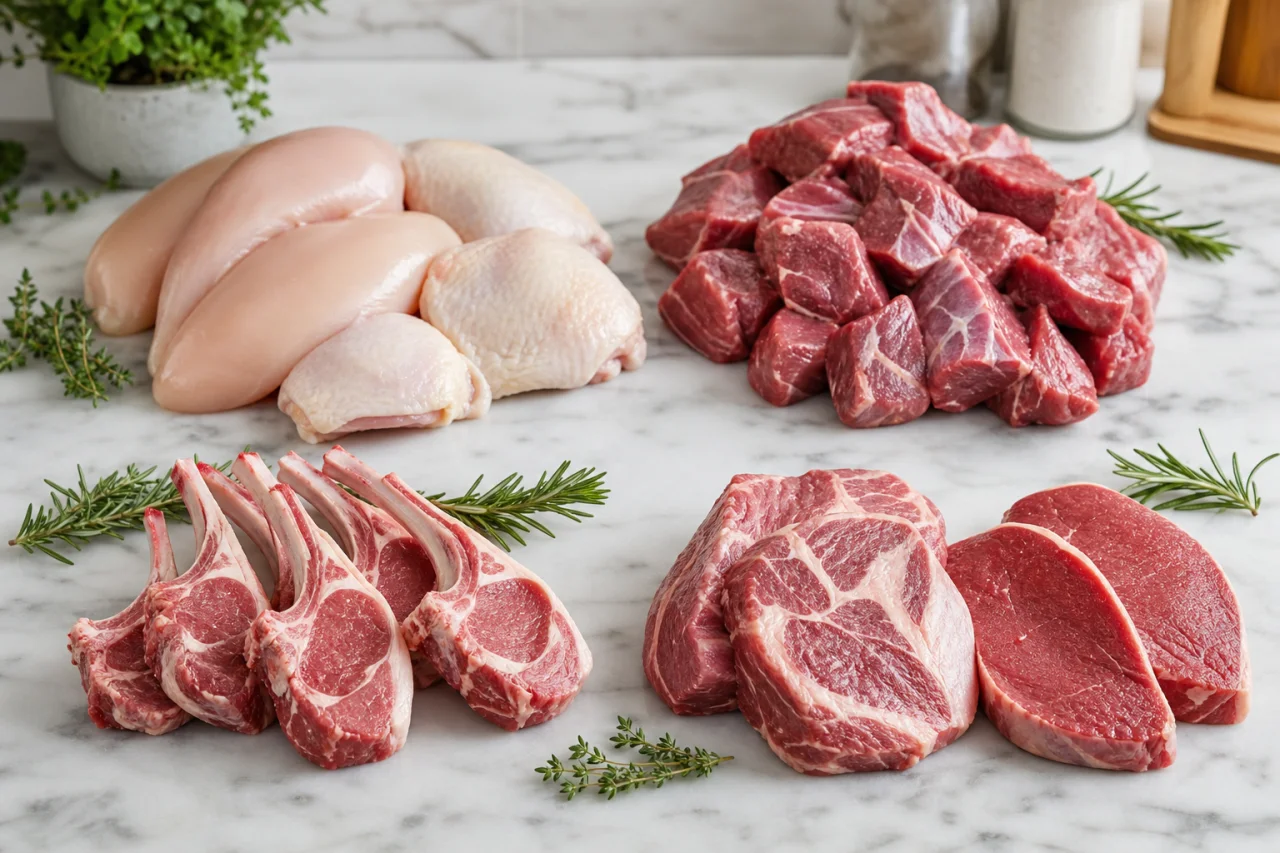
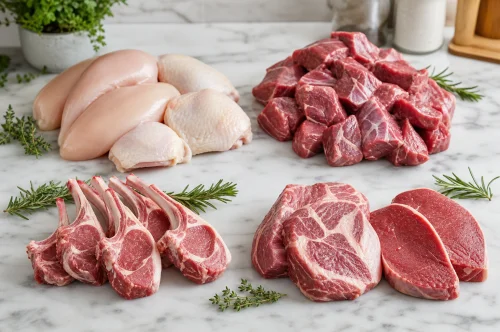
There is no single “best” cut of meat. The best cut is the one that matches your cooking time, recipe, preferred texture, and budget. A tender steak can become dry in a long curry, while a firm shoulder cut can turn beautifully rich when it is cooked slowly. Learning that difference makes ordering fresh halal meat online much easier.
This guide explains the most useful cuts of chicken, goat, lamb, and beef, plus the cooking methods that help each one taste its best.
Start with the cooking method
Before choosing a cut, decide how you will cook it. Quick, dry-heat methods such as grilling, broiling, pan-searing, and stir-frying suit naturally tender cuts. Slow, moist methods such as braising, stewing, and curry cooking soften working muscles that contain more connective tissue.
| If you plan to... | Look for... | Good examples |
|---|---|---|
| Grill or pan-sear quickly | Tender, evenly portioned cuts | Chicken breast, lamb chops, beef sirloin |
| Cook a curry or stew | Shoulder, neck, shank, chuck, or bone-in pieces | Goat shoulder, lamb shank, beef chuck |
| Roast for the family | Whole poultry or a larger leg/shoulder roast | Whole chicken, lamb leg, beef roast |
| Make kebabs or a stir-fry | Boneless meat cut into even cubes or strips | Chicken thigh, goat leg, lamb leg, beef sirloin |
| Make keema, burgers, or meatballs | Fresh ground meat with enough fat for moisture | Ground chicken, lamb, goat, or beef |
Chicken cuts explained
Breast
Chicken breast is lean, mild, and quick to cook. Choose it for stir-fries, skewers, sandwiches, schnitzel, and weeknight grilling. Because it contains little fat, use a marinade and stop cooking as soon as it reaches a safe internal temperature. Slicing across the grain after a short rest helps it stay tender.
Thighs
Thigh meat is darker, juicier, and more forgiving than breast. Boneless thighs work well in curries, biryani, shawarma, kebabs, and sheet-pan meals. Bone-in, skin-on thighs are excellent for roasting because the skin browns while the meat remains moist.
Drumsticks and leg quarters
These economical cuts have strong flavor and suit oven roasting, grilling, and saucy dishes. Leg quarters give you both thigh and drumstick, making them a useful choice for family trays and batch cooking.
Wings and whole chicken
Wings are best for appetizers and crisp baking or air-frying. A whole chicken offers excellent value: roast it for dinner, use the remaining meat in wraps or soup, and simmer the bones for stock.
Goat cuts explained
Shoulder and neck
Goat shoulder and neck have deep flavor and benefit from patient, moist cooking. They are among the best choices for goat curry, nihari-style dishes, soups, and braises. Bone-in pieces add body to the sauce.
Leg
Goat leg is leaner and more uniform. A whole or tied leg can be roasted gently, while boneless leg cubes work for kebabs and special-occasion curries. Do not rush a large leg; controlled heat and resting make it easier to carve.
Loin, rack, and chops
These are naturally tender, smaller cuts. Season simply and cook them quickly on a grill or hot pan. They cost more than shoulder, so they are best when the meat itself is the centerpiece.
Mixed bone-in curry cut
A balanced curry pack may contain shoulder, rib, and leg pieces. It gives a sauce both meaty pieces and gelatin-rich bones. Ask for pieces of similar size so they finish cooking together.
Lamb cuts explained
Shoulder
Lamb shoulder has generous flavor and connective tissue. Slow-roast it, braise it, or cut it for curry. It is often better value than leg and becomes fork-tender with enough time.
Leg
Lamb leg is versatile and relatively lean. Roast it whole, butterfly it for the grill, or use boneless cubes for kebabs and pulao. It slices neatly, which makes it a good celebration cut.
Rib and loin chops
Chops are tender and designed for fast cooking. Rib chops are rich and elegant; loin chops are compact and meaty. Bring them out of the refrigerator shortly before cooking, pat them dry, and use high heat for good browning.
Shank and ground lamb
Lamb shanks need slow braising but reward you with a rich sauce. Ground lamb is ideal for kofta, kebabs, burgers, stuffed vegetables, and keema-style dishes.
Beef cuts explained
Chuck
Beef chuck comes from the shoulder. It has robust flavor and becomes tender in stews, pot roast, slow-cooked curry, and shredded-beef recipes. It is a dependable choice when you want richness without buying a premium steak.
Sirloin
Sirloin balances tenderness and price. Use steaks for grilling or slice the meat thinly for fajitas and stir-fries. Keep thin strips uniform so they sear instead of steaming.
Ribeye and strip steak
These well-marbled steaks are suited to grilling and pan-searing. The visible fat melts during cooking and carries flavor. They do not need a heavy sauce; salt, pepper, and careful temperature control are enough.
Brisket, short ribs, and shank
All three require time. Brisket is excellent for low-and-slow roasting, short ribs for braising, and shank for soups and deeply flavored stews. These cuts become tender because long cooking transforms their connective tissue.
Bone-in or boneless?
Bone-in cuts usually offer more flavor in curry, stock, and braises, and they can cost less per pound. Boneless meat is easier to portion, cooks more evenly in quick recipes, and gives you more edible meat for the stated weight. Choose according to the dish—not because one form is always better.
Lean or marbled?
Lean cuts suit quick meals when they are not overcooked. Marbled cuts contain fine streaks of fat that improve juiciness during grilling and roasting. For a long curry, connective tissue is often more important than marbling. Ask your butcher or online seller whether a cut is lean, moderately marbled, or intended for slow cooking.
Questions to ask before ordering online
- Is the listed weight before trimming and cutting?
- Is the product bone-in, boneless, skin-on, or skinless?
- How large are curry pieces, cubes, steaks, or chops?
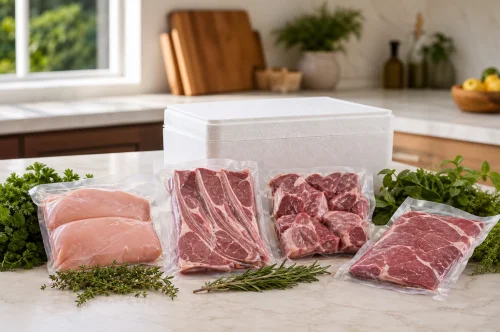
- Is the meat delivered fresh, previously frozen, or frozen?
- What is the use-by date and recommended storage method?
- Does the product have clear halal or Zabiha information?
- Will it arrive at a safe refrigerator or frozen temperature?
Simple portion planning
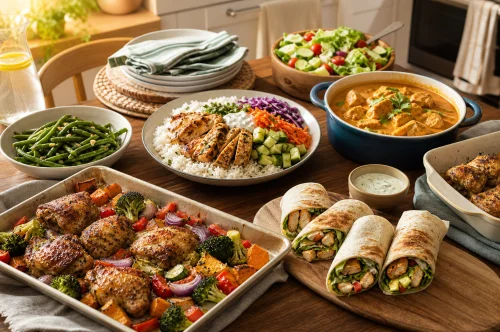
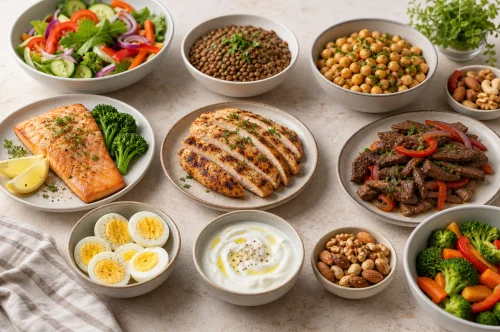
Account for bones, trimming, side dishes, and appetites. Boneless meat yields more servings per pound than bone-in meat. For a dish with rice, bread, vegetables, and lentils, you may need less meat than for a steak-centered meal. When serving guests, include a modest buffer rather than choosing an oversized cut that will cook unevenly.
Cook every cut safely
Use a food thermometer in the thickest part, away from bone. Current U.S. food-safety guidance calls for poultry to reach 165°F; ground meat to reach 160°F; and whole cuts of beef, lamb, and goat to reach at least 145°F followed by a three-minute rest. A thermometer is more reliable than color alone.
The practical rule: tender cuts like speed, working cuts like time, and every cut benefits from even sizing, careful temperature control, and a proper rest. Once you match the cut to the method, buying halal meat online becomes much more predictable.
Food-safety reference: FoodSafety.gov safe minimum internal temperatures.