High-Protein Halal Foods for a Healthy Lifestyle
Build a varied halal protein routine with lean meat, seafood, eggs, dairy, beans, lentils, nuts, seeds, and soy—plus practical meal ideas.
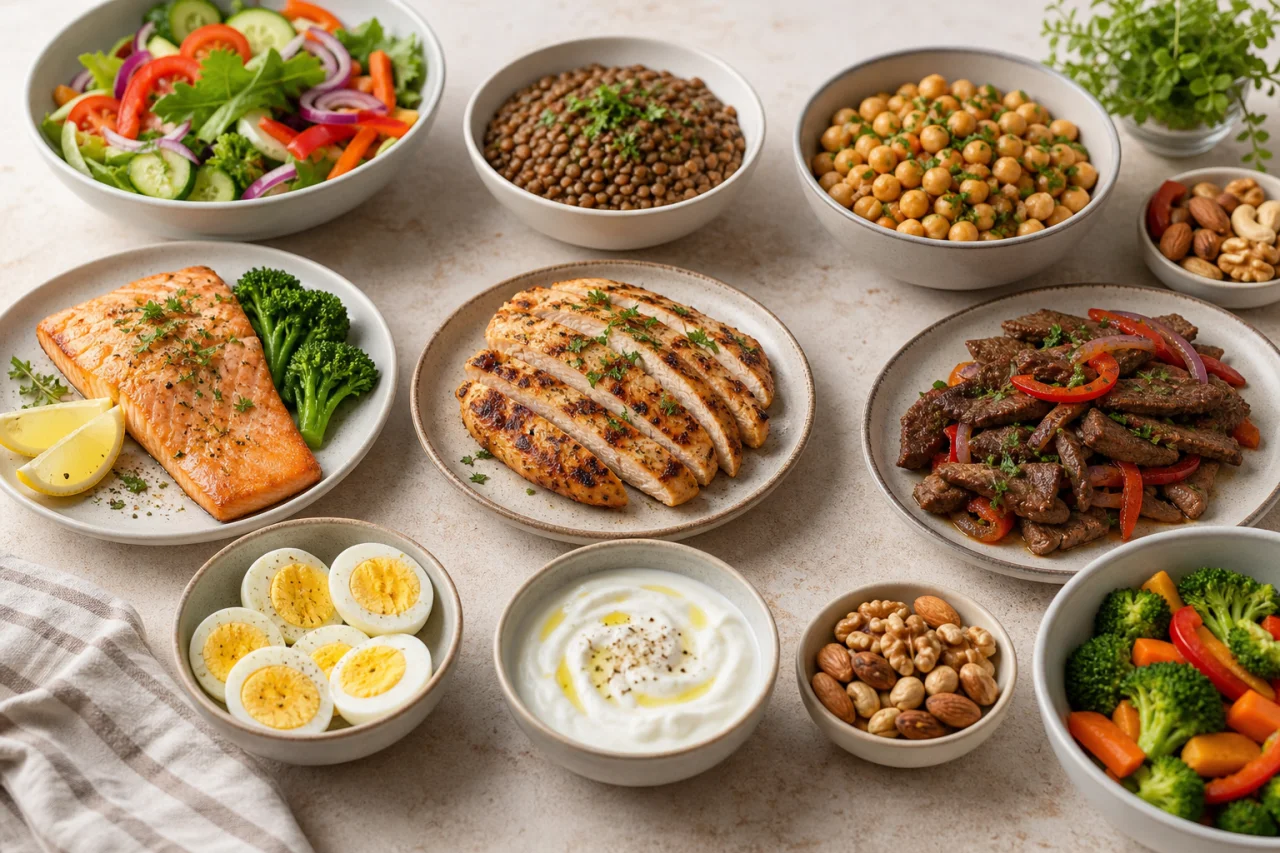
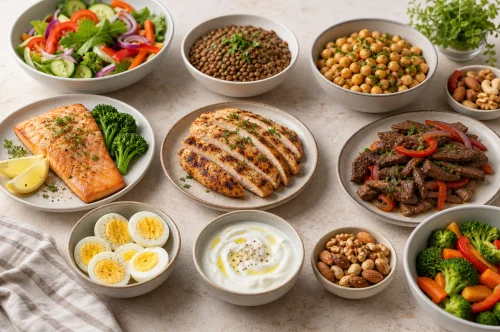
Protein supports muscles, bones, skin, enzymes, and many everyday body functions, but a high-protein halal diet does not need to mean eating a large steak at every meal. The strongest routine uses variety: lean meat and poultry, seafood, eggs, dairy, beans, lentils, nuts, seeds, and soy foods can all contribute.
Individual needs vary with age, body size, activity, pregnancy, and health. Think of this guide as a practical food-planning framework rather than a medical prescription.
Halal and nutritious are two separate checks
Halal describes whether a food and its preparation meet Islamic dietary requirements. Nutrition describes what the food contributes to the diet. A product can be halal but high in sodium, added sugar, or saturated fat. It can also be nutritious in general but contain an ingredient that does not meet your halal standard.
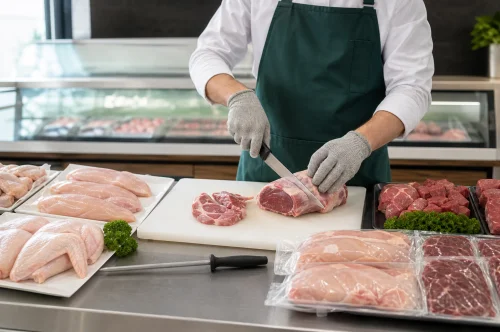
For fresh meat and poultry, look for clear halal or Zabiha information from a seller you trust. For processed foods, review flavorings, gelatin, enzymes, stocks, emulsifiers, and shared-equipment statements where relevant.
1. Lean chicken and turkey
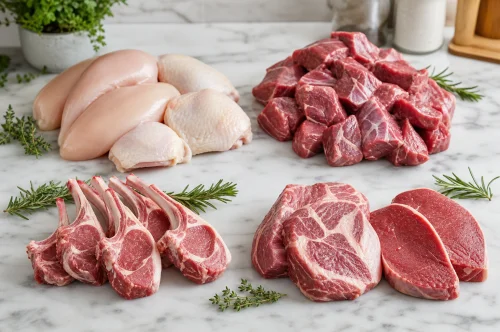
Skinless chicken or turkey breast is versatile and relatively lean. Thigh meat contains more fat but stays moist in curries, kebabs, and batch cooking. Use poultry in grilled wraps, rice bowls, soups, stir-fries, and salads.
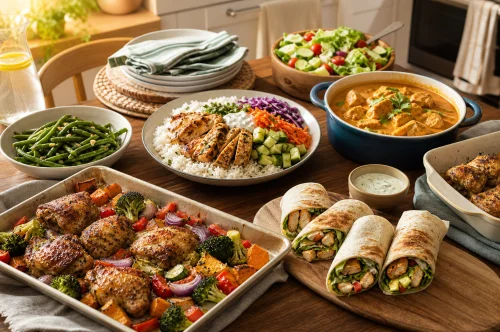
Easy plate: lemon-herb chicken, brown rice, roasted vegetables, and yogurt sauce.
2. Beef, goat, and lamb
Red meat supplies protein along with nutrients such as iron, zinc, and vitamin B12. Choose leaner steaks, roasts, or trimmed curry pieces for everyday cooking, and treat more heavily marbled cuts as an occasional choice. Ground meat can fit a balanced meal when you select an appropriate fat level and combine it with vegetables, grains, or legumes.
Easy plate: lean beef and vegetable keema served with roti and cucumber salad.
3. Fish and shellfish
Seafood adds variety and can provide beneficial fats, especially in fish such as salmon, trout, sardines, and herring. Lean fish such as cod, pollock, tilapia, and haddock also provide protein with a mild flavor. Grill, bake, steam, or simmer seafood rather than relying only on deep-frying.
Easy plate: baked salmon, potatoes, and green beans with lemon.
4. Eggs
Eggs are convenient, affordable, and useful beyond breakfast. Add a cooked egg to a grain bowl, make a vegetable omelet, or pack egg salad prepared with yogurt and herbs. Keep eggs refrigerated and cook them until the yolk and white are firm unless you are using pasteurized eggs in a recipe that remains undercooked.
Easy plate: spinach and mushroom omelet with whole-grain toast and fruit.
5. Milk, yogurt, and cheese
Dairy foods can contribute protein and calcium. Plain Greek-style yogurt is especially useful in breakfast bowls, marinades, dips, and sauces. Choose lower-sugar options for everyday use and check that cheese enzymes, gelatin, and flavorings meet your halal requirements.
Easy snack: plain yogurt with berries, chopped nuts, and cinnamon.
6. Beans, lentils, and chickpeas
Legumes provide plant protein, fiber, and flexible pantry value. Lentils cook quickly, chickpeas work in salads and hummus, and beans make soups and chili more satisfying. Combining legumes with meat can stretch a family meal while adding texture and fiber.
Easy plate: lentil dal, basmati rice, a cooked vegetable, and a spoon of yogurt.
7. Nuts, seeds, and nut butters
Almonds, walnuts, pistachios, pumpkin seeds, sunflower seeds, tahini, and peanut butter offer protein plus fats and minerals. Portions are compact and energy-dense, so a small handful or spoonful is usually enough. Choose unsalted or lightly salted varieties when possible.
Easy snack: apple slices with peanut or almond butter.
8. Soy foods
Tofu, tempeh, edamame, and unsweetened soy beverages can diversify a halal eating pattern. Plain versions have simple ingredient lists; flavored or marinated products may need a closer halal check. Tofu absorbs curry sauces and stir-fry seasonings especially well.
Easy plate: tofu and vegetable stir-fry with rice and sesame.
What counts as a Protein Foods serving?
USDA MyPlate groups meat, poultry, seafood, eggs, beans, peas, lentils, nuts, seeds, and soy products together as Protein Foods. Common one-ounce equivalents include one ounce of cooked meat, poultry, or fish; one egg; one-quarter cup of cooked beans or lentils; one tablespoon of peanut butter; or one-half ounce of nuts or seeds.
Those equivalents help you vary the source, but they are not identical in calories, fat, vitamins, or minerals. A varied week is more useful than trying to make every meal nutritionally identical.
Build a balanced plate, not just a protein pile
A practical meal pairs a protein food with vegetables or fruit, a whole grain or starchy vegetable, and an appropriate source of healthy fat. Protein is important, but fiber-rich plants and enough total food matter too.
| Meal | Protein anchor | Balanced additions |
|---|---|---|
| Breakfast | Eggs or plain yogurt | Vegetables or fruit plus whole-grain toast/oats |
| Lunch | Chicken, tuna, chickpeas, or lentils | Salad, whole grains, and a yogurt or tahini dressing |
| Dinner | Fish, lean meat, tofu, or beans | Two vegetables and rice, roti, potato, or another grain |
| Snack | Nuts, seeds, yogurt, or hummus | Fruit or raw vegetables |
A simple seven-day rotation
- Monday: chicken and vegetable tray bake.
- Tuesday: lentil curry with yogurt.
- Wednesday: grilled fish tacos or rice bowls.
- Thursday: beef and bean chili.
- Friday: tofu or chickpea stir-fry.
- Saturday: lamb or goat curry with vegetables.
- Sunday: egg-based brunch and leftover grain bowls.
This approach naturally varies animal and plant sources without requiring a complicated supplement routine.
Limit heavily processed choices
Halal deli meat, sausages, nuggets, and convenience meals can save time, but some contain substantial sodium and saturated fat. Compare labels, keep portions reasonable, and use fresh or minimally processed protein foods more often. “High protein” on the front of a package does not automatically mean the whole product is a strong everyday choice.
Cook and store protein foods safely
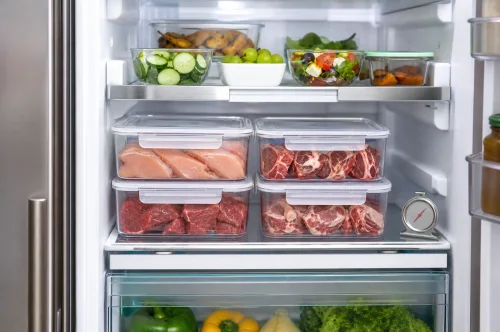
Use a food thermometer: cook poultry to 165°F, ground meat to 160°F, fish to 145°F, and intact beef, lamb, and goat to at least 145°F with a three-minute rest. Refrigerate perishable food promptly and keep the refrigerator at 40°F or below.
When personalized advice matters
People with kidney disease, certain metabolic conditions, food allergies, or specific athletic and pregnancy needs may require individualized amounts. A physician or registered dietitian can help set a safe target that fits your health history and halal preferences.
The best protein plan is the one you can sustain: choose trustworthy halal products, rotate animal and plant sources, cook them safely, and build complete meals around them.
Nutrition reference: USDA MyPlate Protein Foods. Food-safety reference: FoodSafety.gov safe temperatures.