What Makes Halal Meat Different? Everything You Need to Know
A plain-language guide to halal and zabiha meat, including permitted species, slaughter requirements, supervision, labeling, separation, certification, and common myths.
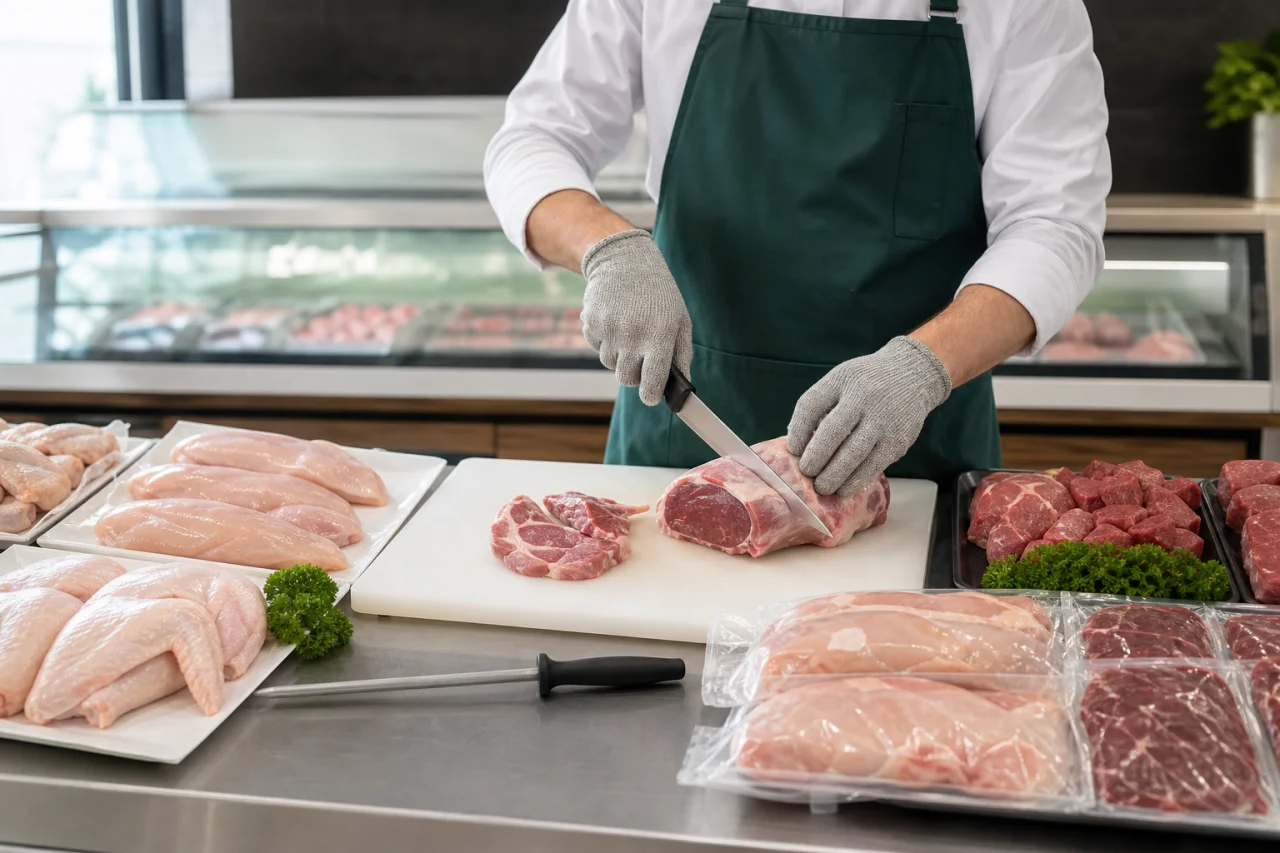
“Halal” means permissible in Islam. For meat, the word describes more than a recipe or flavor. It concerns the animal species, the way the animal is slaughtered, the person and intention involved, the handling of the meat, and protection from prohibited substances.
Practices and certification details can vary among Islamic authorities and communities. A transparent seller should explain which standard it follows rather than expecting customers to rely on an unexplained logo.
The basic elements of halal meat
1. The animal must be from a permitted species
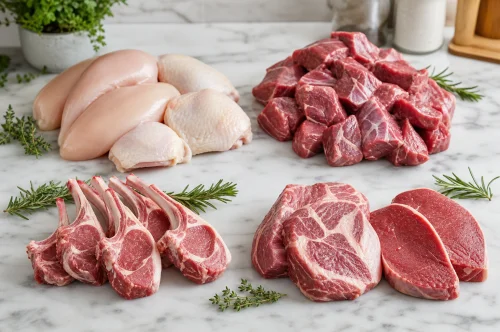
Common halal meat species include chicken, turkey, cattle, sheep, and goats. Pork and pork-derived ingredients are prohibited. Seafood rulings are treated differently across schools of Islamic law, so a customer with a specific concern should follow a trusted religious authority.
2. The slaughter must follow the applicable Islamic requirements
In a zabiha process, a qualified Muslim performs the slaughter, invokes the name of Allah, uses a sharp instrument, and makes the prescribed cut while taking measures intended to reduce avoidable suffering. The animal must be alive at the time required by the certifying standard, and blood must be drained.
3. The meat must remain protected during processing
Halal integrity continues after slaughter. Processing equipment, marinades, casings, flavorings, storage areas, and transport can introduce prohibited material. Responsible suppliers use documented separation and sanitation procedures to prevent cross-contact.
What do “halal” and “zabiha halal” mean on a U.S. label?
The terms are closely related, and sellers sometimes use them differently. “Halal” is the broad permissible status. “Zabiha” emphasizes that the animal was slaughtered according to Islamic requirements.
The USDA Food Safety and Inspection Service states that meat and poultry products prepared in federally inspected plants and labeled “Halal” or “Zabiah Halal” must be handled according to Islamic law and under Islamic authority. The religious authority—not USDA—defines and supervises the religious standard, while federal inspection covers applicable food-safety and labeling requirements.
What halal certification should tell you
A useful certification or supervision statement identifies the organization and makes its standard accessible. Depending on the program, auditors may review slaughter practices, ingredient records, sanitation, equipment, storage, packaging, and traceability.
Before buying, consider asking:
- Which organization certifies or supervises the product?
- Does the claim apply to every product or only selected items?
- How are halal products separated from non-halal products?
- Are marinades, sausage casings, and added ingredients also verified?
- Is the meat hand-cut or machine-processed, and how does that align with the stated authority’s standard?
- Can the seller provide current documentation when requested?
Does halal automatically mean healthier?
Halal status is a religious designation, not a nutrition score. The nutrition of a meal still depends on the species, cut, fat level, portion, cooking method, sodium, vegetables, grains, and overall eating pattern. A lean halal chicken breast and a highly processed halal sausage can both be permissible while having very different nutrition profiles.
Similarly, a halal claim does not replace food-safety controls. Meat still needs safe refrigeration, separation from ready-to-eat food, proper cooking, and clean handling. Choose halal meat for religious confidence, and evaluate freshness, ingredients, nutrition, and safety on their own evidence.
Common halal meat myths
Myth: Every halal logo follows exactly the same standard
Reality: Certifiers and religious authorities can differ on details. Read the name behind the mark and choose a standard consistent with your needs.
Myth: Halal meat is a particular cuisine
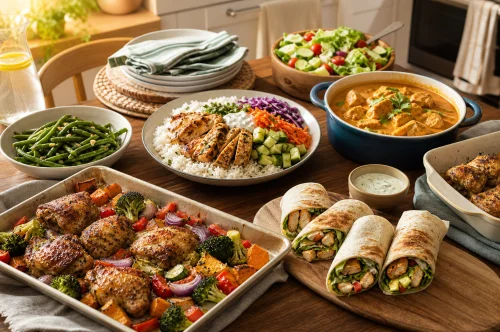
Reality: Halal describes permissibility. Halal meat can be used in Mexican, American, Middle Eastern, South Asian, East African, Mediterranean, or any other cuisine.
Myth: “Natural,” “organic,” and “halal” mean the same thing
Reality: These terms address different questions. Organic relates to a regulated production standard; halal relates to Islamic permissibility; other claims have their own definitions and evidence.
Myth: A halal label means the product needs no temperature control
Reality: Raw halal meat is still perishable. Keep it at 40°F or below, prevent cross-contamination, and cook it to the appropriate safe internal temperature.
A practical confidence checklist
- Identify the halal authority.
- Confirm that the claim covers the exact product.
- Review ingredients on processed or marinated items.
- Ask about separation and sanitation.
- Check packaging, temperature, and use-by information.
- Store and cook the meat safely at home.